
Strong and Silent: Chair-Based Full-Body Training at Home
The Quiet Advantage of a Reliable Chair
Warm-Up and Mobility That Calm the Building
Neck and Shoulder Spirals
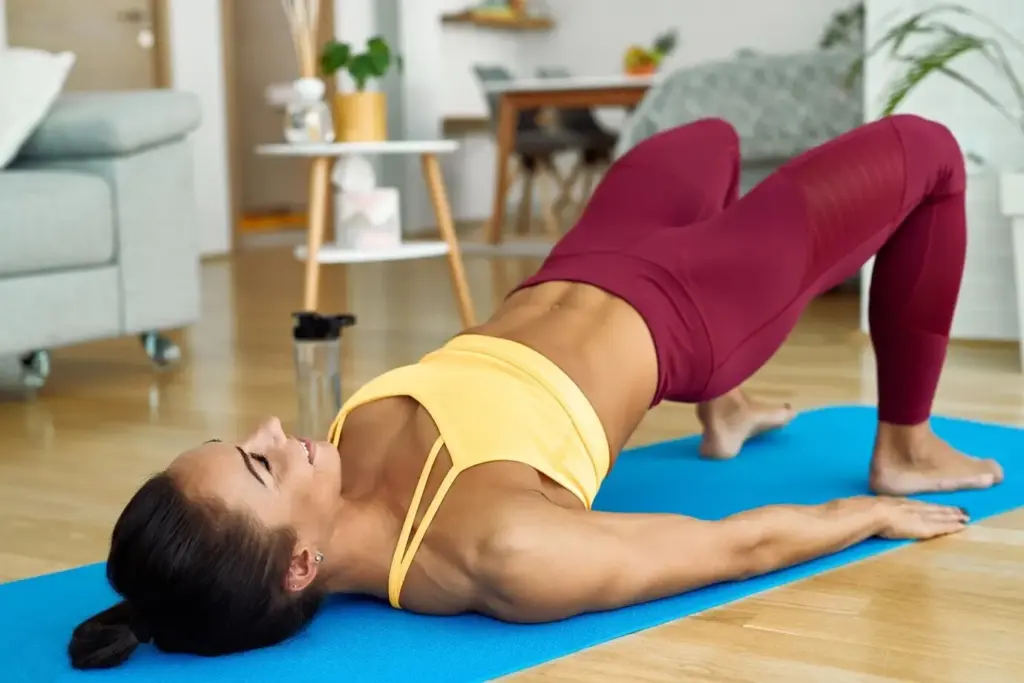
Start tall on the chair, crown lifted, ribs softly stacked. Trace slow circles with your nose, then glide shoulders forward, up, back, and down, letting the breath guide range. Layer in scapular slides and gentle band pull-aparts. These smooth spirals unlock desk stiffness, sharpen awareness, and build a foundation for strong, quiet pressing and rowing patterns later.
Hip and Ankle Activation
Start tall on the chair, crown lifted, ribs softly stacked. Trace slow circles with your nose, then glide shoulders forward, up, back, and down, letting the breath guide range. Layer in scapular slides and gentle band pull-aparts. These smooth spirals unlock desk stiffness, sharpen awareness, and build a foundation for strong, quiet pressing and rowing patterns later.
Spine Waves and Diaphragmatic Breath
Start tall on the chair, crown lifted, ribs softly stacked. Trace slow circles with your nose, then glide shoulders forward, up, back, and down, letting the breath guide range. Layer in scapular slides and gentle band pull-aparts. These smooth spirals unlock desk stiffness, sharpen awareness, and build a foundation for strong, quiet pressing and rowing patterns later.
Strength Circuits With Zero Impact
Cardio That Respects Quiet Hours
Seated March and Shadow Boxing
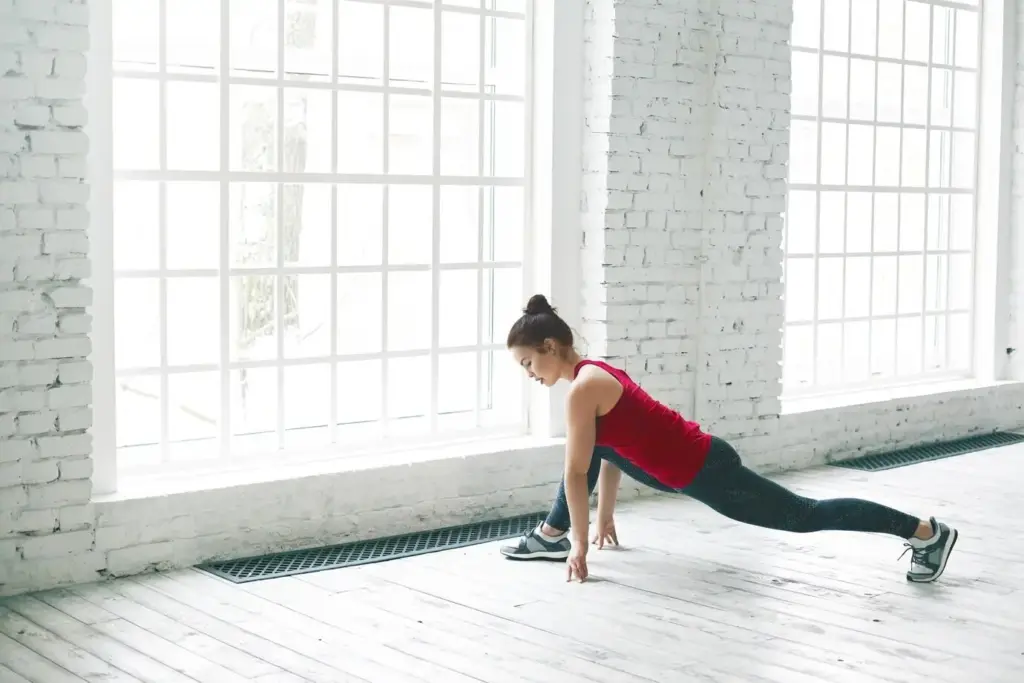
Alternate light knee lifts with smooth, long-arm punches that rotate through the upper back, not the hips, keeping the chair steady. Use two minutes moderate, one minute easy, repeating several rounds. Keep hands relaxed, jaw soft, and breath rhythmic. This blend delivers surprising cardiovascular demand while preserving quiet, coordination, and a feeling of playful, focused energy.
Rhythm Arms and Tiptoe Pulses
Alternate light knee lifts with smooth, long-arm punches that rotate through the upper back, not the hips, keeping the chair steady. Use two minutes moderate, one minute easy, repeating several rounds. Keep hands relaxed, jaw soft, and breath rhythmic. This blend delivers surprising cardiovascular demand while preserving quiet, coordination, and a feeling of playful, focused energy.
Breath-Guided Pacing
Alternate light knee lifts with smooth, long-arm punches that rotate through the upper back, not the hips, keeping the chair steady. Use two minutes moderate, one minute easy, repeating several rounds. Keep hands relaxed, jaw soft, and breath rhythmic. This blend delivers surprising cardiovascular demand while preserving quiet, coordination, and a feeling of playful, focused energy.
Safety, Setup, and Smart Progression
01
Joint-Friendly Modifications
Use pillows or folded towels to adjust seat depth, support lumbar curves, or soften contact points. Favor smaller ranges at first, then explore gradually. For knee sensitivity, emphasize hip hinge and midfoot pressure. For shoulder discomfort, lower pressing angles and prioritize rows. Remember, quiet doesn’t mean easy; it means controlled, respectful, and tailored to your current capacity today.
02
Posture Cues You Can Feel
Imagine a string lifting your crown while your sit bones root evenly. Keep the sternum proud but soft, and let shoulder blades glide rather than pinch. Grip the floor lightly with toes for stability. These tactile cues create balanced tension that travels through the whole body, improving strength output, breath mechanics, and precision without adding a single decibel.
03
Progress Without Noise
Advance by extending sets, lengthening eccentrics, and increasing holds before adding resistance. Track metrics like total time under tension, average perceived exertion, and breath recovery speed. Celebrate consistency more than novelty. Quiet training rewards patience, and small improvements compound surprisingly fast. Share your wins with our community, ask questions, and invite a friend to join your next session.
Mini Programs and Weekly Flow
All Rights Reserved.