
Stronger, Gentler: Home Workouts Built on Isometrics and Slow Reps

Why Gentle Resistance Delivers Serious Results
Set Up Your Home Like a Smart Studio

Movements That Matter: Full-Body Routines
Lower Body: Wall Sits and Tempo Squats
Slide into a wall sit, knees tracking toes, feet hip-width, and hold while breathing calmly. Follow with bodyweight tempo squats: three to five seconds down, brief pause, smooth ascent. Focus on even foot pressure and balanced hips. Progress by increasing hold time, adding a light backpack, or slowing the descent further. These moves strengthen quads and glutes, build knee confidence, and teach control you will notice on stairs, hikes, and long days on your feet.
Upper Body: Planks, Push-Ups, and Rows
Start with forearm planks, pressing the floor away, ribs stacked over pelvis. Add slow eccentric push-ups—lowering with patience, pausing just above the floor, then returning with intent. Row using a band or backpack, emphasizing shoulder blades sliding back and down. Mix static plank holds with steady tempo sets to train both stability and strength. Adjust angles from walls to counters to floors, ensuring each variation feels joint-friendly while targeting the right muscles without compensations.
Core and Hinge: Bridges and Tempo Hip Hinge
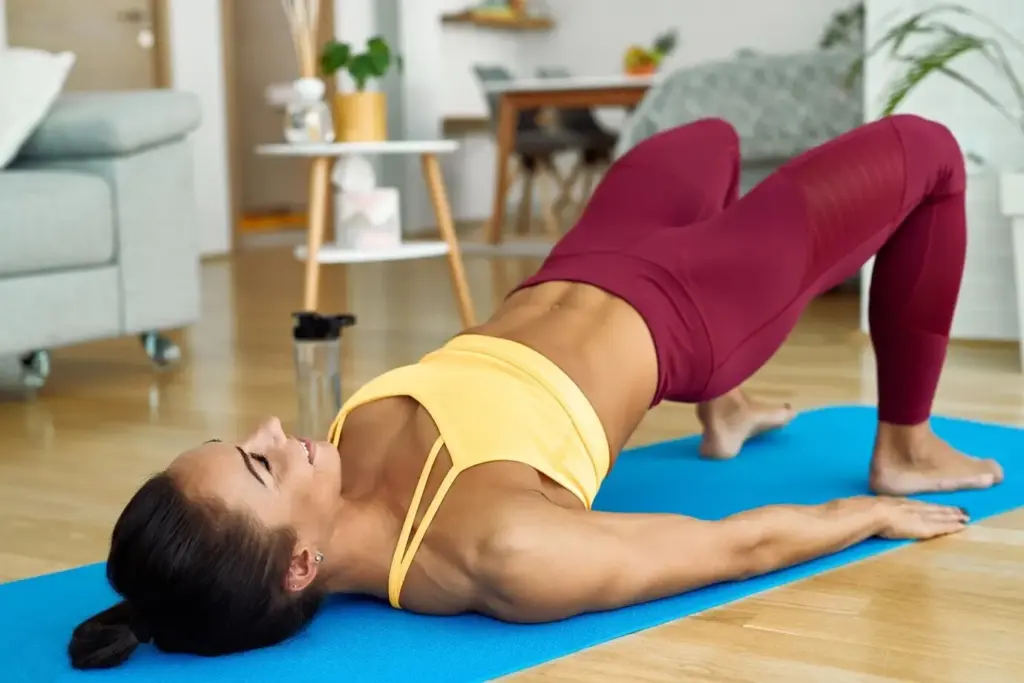
Isometric glute bridges teach glutes to drive, not the lower back. Hold at the top, ribs down, knees tracking, feet anchored. Pair with slow hip hinges using a backpack hugged to the chest, maintaining a long spine and soft knees. Move the hips back, feel hamstrings load, then stand tall. These patterns protect your back, power everyday lifting, and build confidence in posture. Progress by lengthening holds, adding controlled range, and respecting quality before quantity.
Programming with Time Under Tension
Designing Sessions That Fit Busy Days
Think 25–35 minutes, including warm-up and a brief cooldown. Choose one lower-body pattern, one upper push, one upper pull, and one core or carry. Pair a hold with a tempo set for each. Rest one minute between rounds, two between patterns. If time is tight, use supersets. End with gentle breathing. This structure keeps intensity focused, energy predictable, and results obvious, making it easier to show up repeatedly even when life throws curveballs.
Progression: Holds, Tempo, and Range
Add five to ten seconds to holds when sets feel steady. For tempo, slow the descent or lengthen the pause before increasing external load. Expand range only while maintaining alignment and smooth breath. Every upgrade should feel earned, not forced. Wave easy and challenging weeks to avoid plateaus and keep joints happy. This steady, intelligent ramp builds capacity that sticks, so you move confidently in workouts, daily life, and any adventures you decide to pursue.
Tracking Metrics That Motivate
Write down hold durations, tempo counts, perceived effort, and notes about technique or comfort. A simple log reveals patterns: which songs help, which time of day feels best, and when to nudge volume. Celebrate improvements like smoother reps, quieter joints, and stronger posture, not only numbers. Share milestones with friends or our community to reinforce momentum. Data becomes encouragement when framed as stories of growth, reminding you that progress is happening, rep by deliberate rep.

Recovery, Mobility, and Joint Care

Micro-Goals and Visible Wins
Set weekly targets you can actually feel: add five seconds to a wall sit, smooth out the bottom pause in your squat, or keep shoulders quiet during rows. Record before-and-after videos to notice cleaner lines and calmer breathing. These tangible wins build trust with yourself. When goals are observable and bite-sized, motivation stops depending on mood and starts thriving on evidence. Keep it playful, keep it clear, and let each small success point the way forward.
Beating Plateaus with Curiosity
When progress pauses, treat it like a puzzle. Adjust one variable: angle, hold duration, tempo, rest, or exercise order. Sometimes the answer is easier than expected—more sleep, a lighter week, or better music. Curiosity protects confidence because it replaces frustration with experiments. Ask the community for ideas, test for two weeks, and keep notes. Plateaus often disguise quiet improvements in control and comfort. Notice them, honor them, and watch breakthroughs follow when foundations stabilize.
Invite Others and Celebrate Consistency
Training thrives with company. Invite a partner to mirror your holds on video chat, compare tempo counts, or share playlists. Post your schedule on the fridge or in a group thread, then check off sessions together. Celebrate completion, not perfection—especially on tough weeks. The rhythm of shared accountability turns discipline into something friendlier and more reliable. Drop a comment with your next three sessions, subscribe for fresh routines, and let us cheer you toward steady progress.
All Rights Reserved.